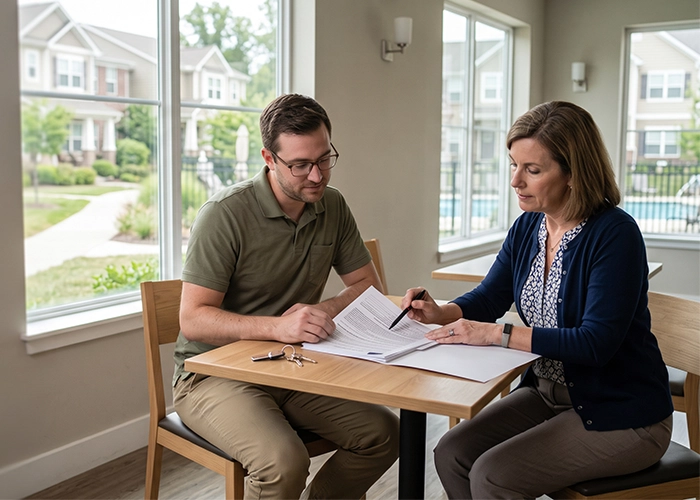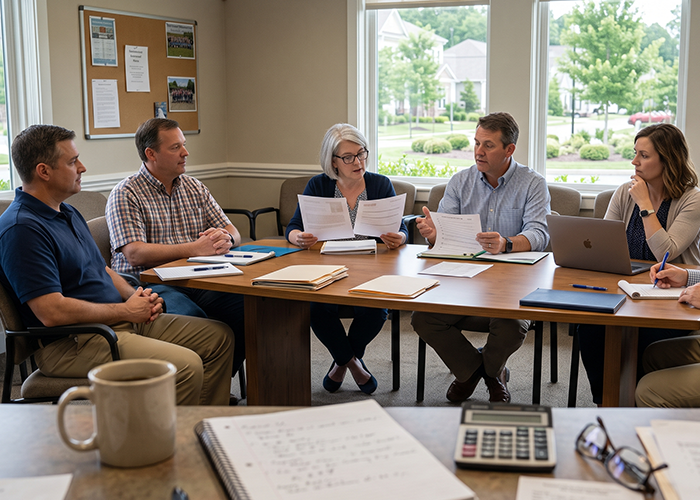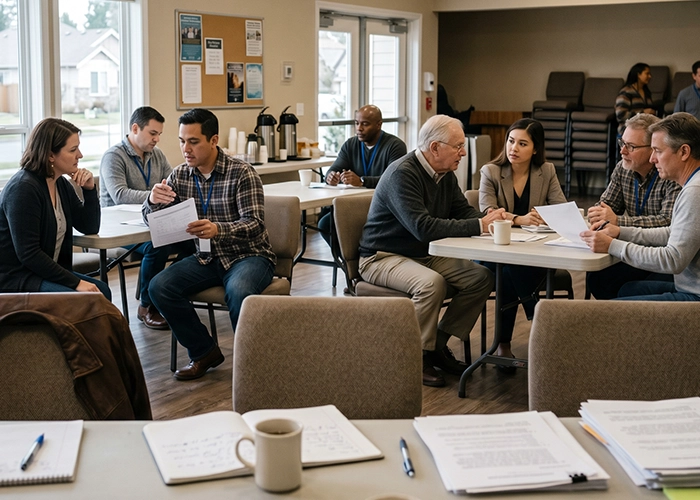
HOA committee meetings can be one of the best ways for a community to get more homeowners involved and help the board manage important projects.
Understanding the Role and Why They Matter?
When they are organized well, HOA committee meetings give volunteers a chance to share ideas, review community needs, and provide useful recommendations to the board.
An HOA committee is a group of homeowners, board members, or other individuals appointed to focus on a specific area of community business. The committee may be responsible for landscaping, social events, architectural requests, neighborhood communications, budget planning, or other projects.
Committees can take some of the workload off the board. Instead of having directors handle every detail, a committee can research an issue, gather information, compare options, and bring a recommendation back to the board.
This does not mean the committee automatically has the authority to make decisions for the association. In many communities, committees serve in an advisory role, while the board retains the final authority. The association’s governing documents and applicable state law should always be reviewed before a committee is given decision-making power.
Good HOA committee meetings are not about holding another meeting just for the sake of meeting. They should help move community business forward.
What Does an HOA Committee Actually Do?

The role of a committee depends on the needs of the association. Some communities may have several committees, while a smaller HOA may only need one or two.
A committee might be formed to:
- Review architectural or exterior modification requests.
- Help plan community events and activities.
- Research landscaping or maintenance options.
- Review potential vendors and service proposals.
- Help prepare community newsletters or communications.
- Assist with an annual budget or reserve planning.
- Review community rules and suggest updates.
- Support elections and homeowner participation.
- Research a specific improvement project.
- Help address a recurring community concern.
The important thing is that each committee should have a clear purpose. A committee without a defined role can quickly become another source of confusion.
Before a committee begins meeting, the board should establish what the group is expected to accomplish. It is also helpful to identify who can serve, who will lead the group, what authority it has, and how recommendations will be presented to the board.
How Should HOA Committee Meetings Be Organized?
A productive meeting usually starts before anyone sits down at the table. The committee chair should know what needs to be discussed and make sure members have the information they need ahead of time.
An agenda can be simple. It does not need to become a complicated document.
A basic committee meeting agenda may include:
- Call to order
- Approval or review of previous meeting notes
- Old business
- New business
- Project updates
- Items requiring board direction
- Next steps
- Date of the next meeting
- Adjournment
Supporting documents should be shared when possible. If the committee is reviewing landscaping proposals, for example, members should have access to the proposals before the meeting. This gives everyone time to review the information instead of spending the entire meeting reading documents for the first time.
The chair should also keep the discussion focused. A meeting can easily go from discussing a pool repair to discussing parking, pets, landscaping, and a neighbor’s complaint within a few minutes. Those topics may all matter, but they do not necessarily belong in the same discussion.
Who Should Attend an HOA Committee Meeting?

The people who attend will depend on the committee and its purpose. Committee members should be present, along with the chair or designated leader.
A board member may also attend to provide direction or answer questions. The community manager may participate when management support is needed, especially when the discussion involves vendors, maintenance, financial information, homeowner communication, or association procedures.
Homeowners may also be invited to attend when appropriate. However, the association should be clear about whether homeowners are attending to observe, provide input, or participate in the committee’s work.
The board should also avoid creating confusion about who has authority. A committee member should not promise a homeowner that a project will be approved, tell a vendor to begin work, or commit association funds unless that authority has been specifically granted.
Clear roles make meetings much easier to manage.
HOA Committee Meetings and the Board of Directors
One of the most important distinctions is the difference between a committee and the HOA board.
The board is responsible for governing the association within the authority provided by its governing documents and applicable law. A committee generally supports that work by researching issues, reviewing information, or making recommendations.
For example, a landscaping committee might review three proposals for replacing common-area plants. The committee could compare pricing, materials, warranties, and maintenance needs before recommending one option.
The board can then review the recommendation and make the final decision if the matter falls within the board’s authority.
This process gives the board better information without requiring directors to personally handle every research task.
It also gives homeowners an opportunity to contribute their knowledge and skills to the community.
What Makes an HOA Committee Meeting Productive?

A productive committee meeting does not necessarily mean a long meeting. In fact, shorter meetings are often more effective when everyone knows what needs to be accomplished.
There are a few habits that can make a noticeable difference.
- Start with a clear agenda. Members should know what will be discussed before the meeting begins.
- Stay on topic. If an issue is important but unrelated to the current agenda, write it down and place it on the agenda for a future meeting.
- Use facts. Discussions should be based on documents, proposals, budgets, governing documents, inspections, or other reliable information whenever possible.
- Give everyone an opportunity to speak. One person should not dominate the conversation. Different perspectives can be useful, especially when a committee is researching a community project.
- End with clear next steps. Every important discussion should have a clear outcome. Someone should know what needs to happen next and who is responsible for it.
A meeting should not end with everyone saying, “We’ll figure it out later.”
The Importance of Meeting Minutes
Meeting notes are often overlooked, especially when a committee is made up of volunteers. They can become very useful later, though.
Minutes provide a record of what was discussed, what information was reviewed, and what follow-up was assigned. They can also help a new committee member understand what has already been completed.
Minutes do not need to capture every sentence spoken during the meeting. They should focus on the important business.
A good set of committee minutes can include:
- Date, time, and location of the meeting
- Names of attendees
- Main topics discussed
- Important recommendations
- Decisions within the committee’s authority
- Items referred to the board
- Assigned action items
- Next meeting date
If the committee makes a recommendation to the board, that recommendation should be clearly recorded.
For example, instead of writing, “The committee talked about the playground,” the minutes could state that the committee reviewed two playground repair proposals and recommended that the board request an updated proposal from the preferred vendor.
That small difference makes the record much more useful.
Do HOA Committee Meetings Have to Be Open to Homeowners?

This is one of the questions boards ask most often, and there is no single answer for every HOA.
Meeting requirements depend on the state where the association is located, the association’s declaration and bylaws, applicable statutes, and the type of committee involved. Some states have specific requirements for committee meetings, while others primarily regulate board meetings.
For example, Washington law includes meeting requirements for committees authorized to act for the board, including open meeting provisions and limits on executive sessions. Arizona law also addresses certain regularly scheduled committee meetings under its HOA meeting rules.
Because these requirements vary, a board should not assume that a committee meeting is automatically private or automatically open.
Before establishing meeting procedures, the board should review its governing documents and applicable state law. When there is uncertainty, obtaining advice from the association’s attorney can help prevent an avoidable compliance problem.
Common Mistakes to Avoid During Committee Meetings
Even a well-intentioned committee can run into problems. Most are preventable with a little structure.
One common mistake is allowing the committee to take on responsibilities that belong to the board. A committee may have been created to make recommendations, but members can sometimes begin treating those recommendations as final decisions.
Another problem is allowing meetings to become complaint sessions. Homeowner concerns are important, but a committee meeting should not turn into a discussion about individual disputes, personal disagreements, or complaints about specific neighbors.
Confidential information should also be handled carefully. Personal homeowner information, legal matters, personnel issues, and other sensitive topics may require special handling depending on the circumstances and applicable law.
Finally, committees should avoid making promises they cannot keep. Telling a homeowner that a project “will definitely be approved” creates expectations that may not be within the committee’s authority to meet.
How a Community Management Company Can Help

A professional HOA management company can provide useful support before, during, and after committee meetings.
A community manager may help prepare agendas, gather documents, coordinate vendors, provide financial information, record action items, and communicate recommendations to the board. Management can also help the committee stay within the procedures established by the association.
This support can be especially valuable for volunteer board members who already have full schedules. Committee members bring their time and community knowledge, while management can provide administrative experience and help keep the process organized.
The goal is not to take control away from the committee or board. It is to give them the information and support they need to make better decisions.
How to Encourage Homeowners to Join an HOA Committee
A committee is only as useful as the people willing to participate.
Some homeowners may be interested but hesitate because they believe joining a committee means attending endless meetings or taking on a major responsibility. The board can help by explaining exactly what is expected.
Instead of simply asking for “committee volunteers,” explain what the committee does, how often it meets, and what type of help is needed.
For example, someone with landscaping experience may be happy to help review common-area projects. A homeowner who enjoys planning events may be a great fit for a social committee. Someone with financial or business experience may be able to help research vendor proposals.
It also helps to keep volunteer roles manageable. People are more likely to participate when they know they can contribute without committing every evening to association business.
When Should a Committee Be Created?
Not every issue requires a committee.
A committee makes sense when a project needs additional research, community input, specialized knowledge, or ongoing attention. It may not make sense when the board can resolve the matter quickly on its own.
Before creating a new committee, the board can ask:
- What problem will this committee solve?
- How long will the committee be needed?
- What authority will it have?
- Who will oversee its work?
- What information will it need?
- How will recommendations reach the board?
- How often should it meet?
Some committees may be permanent. Others can be temporary and dissolved once a project is completed.
A temporary committee can be especially useful for larger projects such as a clubhouse renovation, reserve study review, community survey, or major landscaping project.
Keeping Committee Meetings Focused on the Community
At the end of the day, HOA committee meetings should serve a simple purpose: helping the community operate better.
The best committees are not created to replace the board or give a few homeowners control over association decisions. They are created to bring people together, gather useful information, and help the board understand an issue before action is taken.
When expectations are clear, meetings are organized, and responsibilities are respected, committees can become one of the strongest resources available to an HOA.
Building a Stronger Community, One Meeting at a Time
HOA committee meetings do not have to be complicated. With a clear purpose, good communication, organized records, and the right support, they can give homeowners a meaningful way to participate while helping the board make informed decisions.
If your association is struggling to keep committees organized or needs help managing the day-to-day responsibilities of the community. Nova Management can provide the structure and support your board needs. Call us at 614-300-7050 or contact us online to get started.
Related Articles
- HOA Board Recall: What Homeowners Need to Know Before Removing a Board Member
- HOA Executive Sessions: What Goes On In The Meeting Room?
- Misunderstood HOA Rules: Simple Fixes That Prevent Community Conflict