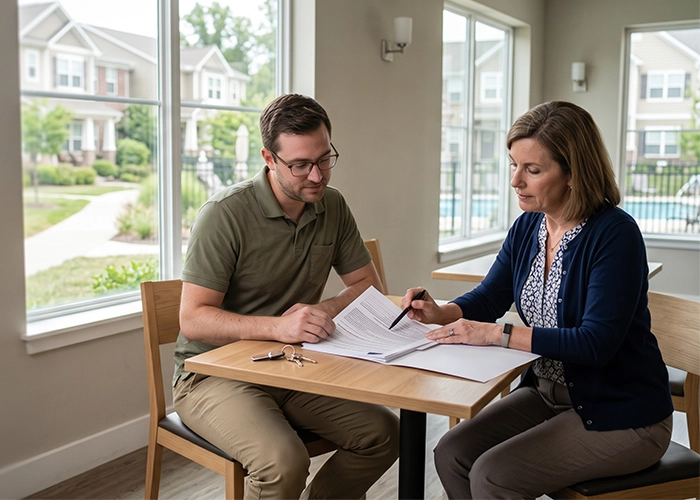
Selling a home in a homeowners association involves more than signing a contract and choosing a closing date.
What Buyers Need to Know
An HOA resale certificate is a disclosure document prepared for the sale of a home within a homeowners association. It provides current information about the property owner’s account and the condition of the association.
The exact name may vary by state. It may be called a resale disclosure certificate, resale package, status certificate, estoppel certificate, or association disclosure package. While these terms are not always legally identical, they often serve a similar purpose during a property sale.
The certificate helps answer a basic question: What financial and legal duties will the buyer accept after closing? It may also warn the buyer about unpaid assessments, pending special assessments, rule violations, or major association expenses.
Why the Certificate Matters

Buying into an HOA means joining an existing organization. The buyer is not only purchasing a home. They are also agreeing to follow the community’s governing documents and pay their share of its common expenses.
A well-prepared resale certificate gives the buyer a more complete picture of that arrangement. It can show if the current owner owes money, if a special assessment has been approved, or if the property has an unresolved violation.
Lenders, title companies, attorneys, and closing agents may also use the information. Missing or incorrect details can hold up loan approval, title work, or the final settlement.
What an HOA Resale Certificate Usually Includes
Resale requirements differ by state and by the type of community involved. Still, many certificates contain the same basic categories of information.
A typical HOA resale certificate may include:
- The amount and payment schedule for regular assessments
- The seller’s current account balance
- Unpaid assessments, late fees, fines, or collection costs
- Approved or pending special assessments
- Transfer, move-in, disclosure, or administrative fees
- Known violations connected to the property
- Pending lawsuits involving the association
- The association’s current budget and financial statements
- Reserve fund information or a reserve study
- Association insurance information
- Approved major repairs or capital projects
- Rental or occupancy restrictions
- Rights of first refusal or other transfer limits
- The declaration, bylaws, rules, and amendments
- Contact details for the association or management company
Some states require a set form and a specific order for the documents. Others give associations more flexibility. Boards should follow the law that applies in their state rather than relying on a general template found online.
How the Certificate Protects the Buyer

A home may look perfect during a showing, yet its HOA account or community records may tell a different story. The resale certificate helps the buyer identify costs and limits that cannot be seen during a home inspection.
For example, a buyer may learn that a large roof project has been approved and that owners will soon receive a special assessment. The buyer could also discover strict rental limits, parking rules, pet restrictions, or architectural standards that affect how the property can be used.
In some states, buyers receive a limited review period after the certificate is delivered. During that time, they may have the right to cancel the purchase under certain conditions. Since the rules differ, buyers should discuss their rights and deadlines with their real estate agent or attorney.
How the Certificate Protects the Association
The resale process is not only about helping the buyer. It also gives the association a chance to place accurate account and property information into the closing record.
If the seller owes assessments or other approved charges, those amounts can be identified before ownership changes. The closing agent can then determine how the balance will be handled at settlement.
The certificate also creates a record of what the association reported. This makes careful review important. In some states, an association may be unable to collect an amount that was left off the certificate when a buyer or closing party relied on the information in good faith.
Who Requests and Pays for the Certificate?

The seller, the seller’s agent, a title company, or a closing professional may request the certificate. State law and the association’s governing documents often determine who is allowed to place the order.
In many communities, the seller pays the preparation fee. However, the purchase agreement may assign the cost differently. The association should not decide which party must pay when the contract already addresses that question.
Fees and delivery deadlines also vary by state. Some laws set maximum fees, allow extra charges for rush service, or prevent the association from charging when the certificate is delivered late. The board and management company should review current state requirements before setting a fee schedule.
How the Resale Process Usually Works
A clear process keeps requests from being lost and reduces last-minute pressure before closing. Although local requirements may differ, most resale requests follow a similar path.
- The request is submitted.
The seller or an authorized party sends the request to the association or management company. The request should include the property address, owner’s name, expected closing date, delivery instructions, and payment if required. - The owner’s account is reviewed.
Management confirms regular assessments, unpaid balances, approved charges, and any collection activity. Recent payments should be posted before the final balance is reported. - Property records are checked.
The association reviews its files for open violations, architectural matters, or other issues that must be disclosed. A resale inspection may be completed if permitted by state law and the governing documents. - Association records are gathered.
Current financial reports, budgets, insurance details, rules, and other required documents are collected. Outdated forms should be replaced before the package is issued. - The certificate is completed and delivered.
An authorized person reviews and signs the certificate. It is then delivered by the required method within the applicable deadline. - Updates are handled when needed.
If the closing date changes or new charges are posted, an updated certificate may be requested. Some states set separate rules and fees for these updates.
Common Problems That Can Delay Closing
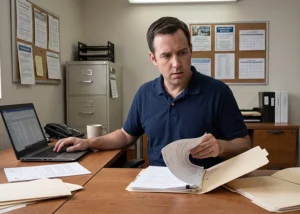
Late requests are one of the most common problems. A seller may wait until the closing date is near before ordering the resale package, leaving little time to correct an account error or gather missing records.
Incomplete association files can also cause trouble. If the board cannot quickly locate its latest budget, insurance information, reserve study, or governing documents, the package may be delayed or issued with gaps.
Other frequent problems include:
- A recent payment that has not been posted
- An old violation that was corrected but never closed
- Different balances shown in separate accounting records
- Missing approval records for an exterior change
- A special assessment approved after the request was submitted
- An outdated association contact or fee schedule
- Confusion about which party should receive the package
- A closing date that changes without notice
Most of these problems can be avoided when records are reviewed throughout the year. The resale request should confirm existing information, not begin a search for documents that should already be organized.
What Buyers Should Review Carefully
Buyers may receive dozens or even hundreds of pages. It can be tempting to focus only on the amount due at closing, but the full package deserves attention.
Start with the association’s finances. Review the operating budget, reserve balance, recent financial statements, and any planned capital work. A low reserve balance does not always mean the association is poorly managed, but it may lead to higher dues or special assessments when major repairs arise.
Buyers should also review:
- Current and planned assessment amounts
- Special assessments and payment schedules
- Rental caps or leasing restrictions
- Pet, parking, and vehicle rules
- Architectural approval requirements
- Insurance responsibilities
- Pending lawsuits or major claims
- Recent meeting minutes, when included
- Rules that could affect daily use of the home
Questions should be raised before the review period ends. Waiting until after closing may leave the new owner with obligations they did not expect.
What Sellers Can Do Before Ordering

Sellers can make the process easier by checking their account early. Any past-due balance, returned payment, or unresolved fine should be reviewed before the home goes under contract.
The property should also be checked for possible violations. Unapproved fences, sheds, paint colors, landscaping changes, or other exterior work may appear during a resale review. Finding these issues early gives the seller more time to seek approval or make corrections.
Before submitting the request, sellers should:
- Confirm the expected closing date.
- Verify the delivery address or email.
- Ask about standard and rush processing times.
- Review the account for unpaid charges.
- Locate approvals for past exterior changes.
- Provide complete property and owner information.
- Notify management if the closing date changes.
A little preparation can prevent an avoidable rush during the final days of the sale.
How HOA Boards Can Improve the Process
The board does not need to rebuild the resale package each time a home is sold. A standard checklist and organized digital records can make the process faster and more accurate.
Current budgets, insurance certificates, governing documents, fee schedules, and reserve information should be stored in one secure location. The board should also decide who is authorized to prepare, review, and sign the certificate.
Good procedures include:
- Using one official request form
- Tracking the date each request is received
- Confirming payment before work begins, when allowed
- Reviewing owner balances against recent activity
- Checking open violations with the correct committee
- Using a second review for financial amounts
- Recording the delivery date and method
- Keeping a copy of the completed package
- Updating standard documents after every approved change
If a management company handles resale requests, the board should still understand the process. Clear responsibilities can reduce errors and help the association respond when a closing professional has a question.
Resale Certificates and Estoppel Certificates Are Not Always the Same
The two terms are sometimes used as if they mean the same thing. In some states, however, an estoppel certificate focuses mainly on amounts owed to the association, while a resale certificate includes a wider set of financial, legal, and community disclosures.
Florida law, for example, uses an estoppel certificate to report assessment information and other amounts connected to a parcel. Virginia law uses a resale certificate that includes the association’s governing documents and broader community information.
The correct term and form depend on state law. An association operating in more than one state should not use one process for every location without checking local requirements.
When Professional Help Makes Sense
A board should seek legal guidance when it is unsure what must be disclosed or when a sale involves a dispute. Questions about collection accounts, lawsuits, old violations, transfer restrictions, or buyer cancellation rights may require professional review.
A qualified HOA management company can also help maintain records, track deadlines, review owner accounts, and coordinate requests with closing professionals. The board remains responsible for proper oversight, but it does not have to manage every detail alone.
Legal requirements can change, so forms and fee schedules should be reviewed from time to time. A process that worked several years ago may no longer meet the current rules.
Clear Records. Faster Closings. Fewer Surprises.
An HOA resale certificate gives buyers a fair look at the community while helping sellers and associations address important details before closing.
When the records are current and the process is clear, the certificate becomes a useful guide instead of a last-minute obstacle.
Organized records and clear communication can turn a complicated resale into a smooth, confident closing. Let Nova Management handle the details from start to finish. Contact our team today to get started.
Related Articles:
- HOA Board Roles and Duties: What Each Member is Responsible For
- Capital Contribution Fees: What Every HOA Board Should Know
- Why HOA Volunteers Are the Heart of Successful Communities