Strong communities rarely happen by accident. Behind many well-run neighborhoods, HOA volunteers quietly give their time to keep things organized, welcoming, and functional. Their work often happens behind the scenes, yet it shapes the daily experience of everyone who lives there.
When residents volunteer within their association, they help create a neighborhood that feels connected, responsive, and well cared for.
HOA Volunteers and Their Role in Community Success
HOA volunteers play an essential role in helping a community association function smoothly. While the board of directors holds official authority, volunteers support the board in ways that strengthen the entire neighborhood. They provide time, perspective, and energy that paid vendors alone cannot replace.
Most associations rely on volunteers for committees, projects, and resident engagement efforts. These volunteers often step forward because they care deeply about the place where they live. Their commitment helps ensure that the community continues to improve rather than simply maintain the status quo.
In many neighborhoods, volunteer involvement creates a bridge between residents and the board. Volunteers share ideas, gather feedback, and help communicate community goals. This collaboration makes decision-making more informed and more reflective of homeowner concerns.
Why Volunteerism Matters in HOA Communities
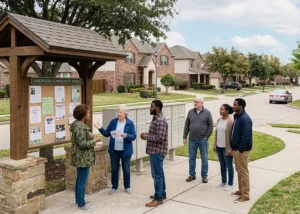
A homeowner association is not just a governing body. It is a group of neighbors working together to maintain a shared environment. Volunteer participation helps reinforce this idea by turning residents into active contributors rather than passive observers.
Communities that encourage volunteerism often see stronger engagement during meetings and events. Residents feel that their voices matter, which leads to better communication across the neighborhood.
There is also a practical side to volunteer involvement. HOA budgets typically focus on maintenance, repairs, and professional services. When residents volunteer their time, they reduce costs while still improving the community experience.
Volunteer programs also promote transparency. When more residents participate in committees or initiatives, people better understand how decisions are made. This shared understanding can reduce conflict and build trust between homeowners and board members.
Common Roles HOA Volunteers Can Fill
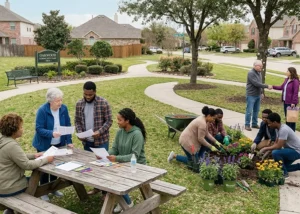
Volunteers can contribute to their communities in many ways. Associations often create committees or project groups that allow residents to focus on specific interests or needs.
Below are several areas where volunteer involvement can make a noticeable difference.
1. Community Event Planning
Neighborhood events help residents connect with one another. Volunteers frequently organize gatherings such as holiday celebrations, block parties, or seasonal festivals.
These events might include:
- Community picnics or barbecues
- Holiday decorating contests
- Neighborhood yard sales
- Social mixers for new residents
When volunteers coordinate these activities, they help neighbors build relationships that strengthen the community as a whole.
2. Landscape and Beautification Committees
Many residents take pride in maintaining attractive surroundings. Beautification committees often consist of volunteers who collaborate with landscaping vendors and suggest improvements.
Their efforts may include:
- Reviewing landscaping proposals
- Planning seasonal flower plantings
- Recommending park or common area upgrades
- Supporting tree planting initiatives
Small aesthetic improvements can greatly enhance a neighborhood’s overall appeal.
3. Architectural Review Support
Some associations rely on volunteers to assist with architectural review committees. These groups evaluate homeowner requests for exterior changes and help maintain consistent community standards.
Volunteers in this role review applications, discuss proposed projects, and offer recommendations. Their involvement ensures that decisions reflect community expectations rather than a single perspective.
4. Welcome Committees
Moving into a new neighborhood can feel overwhelming. Volunteer welcome committees help new residents feel comfortable from the start.
These volunteers might provide:
- Welcome packets with community information
- Introductions to neighbors and amenities
- Guidance on HOA rules and resources
A simple introduction can make a lasting impression on new homeowners.
The Personal Benefits of Becoming an HOA Volunteer
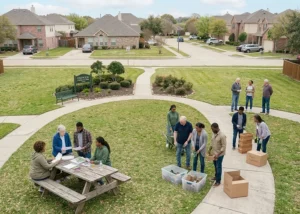
Volunteering does not only benefit the association. Residents who get involved often gain valuable experiences and connections within their community.
For many people, volunteering creates a stronger sense of belonging. Instead of simply living in the neighborhood, they become part of its growth and development. This feeling of ownership encourages residents to stay engaged long term.
There are also opportunities to develop useful skills. Committee participation may involve project coordination, communication with vendors, budgeting discussions, or event planning. These experiences can translate into valuable professional or leadership skills.
Another benefit is the chance to build relationships with neighbors. Volunteers frequently work alongside residents they might not otherwise meet. Over time, these connections can lead to stronger friendships and a more cooperative neighborhood atmosphere.
How HOA Boards Can Encourage Volunteer Participation
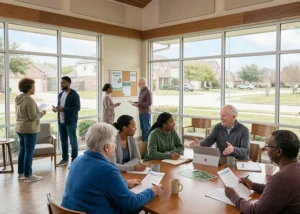
Many residents would be willing to volunteer if they understood how to get involved. HOA boards play a key role in creating opportunities and communicating them clearly.
Several strategies can help increase volunteer participation.
Clearly Communicate Opportunities
Boards should regularly inform residents about available volunteer roles. Announcements can appear in newsletters, community portals, and meeting agendas.
When homeowners see specific opportunities, they are more likely to participate.
Create Manageable Commitments
Some residents hesitate to volunteer because they worry about time commitments. Associations can address this by offering short-term projects or seasonal initiatives.
Examples include:
- Assisting with a single event
- Participating in a temporary committee
- Helping with a neighborhood survey
Flexible opportunities make volunteering more accessible to busy residents.
Recognize Volunteer Contributions
Recognition plays an important role in maintaining enthusiasm. Volunteers appreciate knowing their work matters.
Associations can acknowledge volunteers by:
- Highlighting them in newsletters
- Thanking them during meetings
- Hosting volunteer appreciation events
Simple recognition strengthens motivation and encourages continued participation.
Challenges That HOA Volunteers May Face

Even the most dedicated volunteers sometimes encounter challenges. Understanding these obstacles can help associations address them proactively.
One common challenge is time management. Volunteers often balance their contributions with work, family, and personal responsibilities. Associations should respect these limitations and avoid overloading volunteers with excessive tasks.
Another issue involves unclear expectations. Volunteers need clear direction from the board or committee leaders. When responsibilities are well defined, volunteers can focus on contributing effectively.
Occasionally, disagreements arise during community projects. Diverse perspectives can actually strengthen decision-making, but respectful communication remains essential. Associations that promote collaborative discussion often resolve conflicts more smoothly.
Providing structure and support ensures that volunteer efforts remain positive and productive.
Building a Culture of Volunteerism in Your HOA
Creating a culture of volunteerism takes time. Associations must actively encourage participation and demonstrate that resident involvement truly matters.
One effective approach involves inviting residents to share their skills and interests. Some homeowners may have experience in landscaping, finance, event planning, or communications. When boards tap into these talents, volunteer roles feel meaningful rather than routine.
Consistency also helps maintain engagement. Associations should regularly offer volunteer opportunities instead of relying on occasional requests. When volunteering becomes part of the community rhythm, residents are more likely to step forward.
Transparency further strengthens volunteer culture. When residents see how their contributions influence real outcomes, they feel motivated to continue participating.
Ultimately, volunteerism thrives in communities where collaboration and respect guide decision-making.
The Lasting Impact of HOA Volunteers
HOA volunteers bring energy and perspective that help neighborhoods evolve over time. Their contributions improve communication, strengthen relationships, and support thoughtful decision-making.
A community where residents participate actively often feels more connected and welcoming. Through volunteer involvement, neighbors work together to shape a place they are proud to call home.
Partner With Experts Who Support Your Community
A successful HOA balances professional management with active resident involvement. Experienced management teams can guide boards while encouraging strong volunteer participation.
If your community wants to improve operations, strengthen engagement, and support your volunteers, professional HOA management can help you move forward with confidence.
Contact our team today to learn how expert guidance can help your neighborhood thrive.
Related Articles