HOA executive sessions can feel mysterious from the outside, especially when the board steps away from an open meeting, and the door closes. Most of the time, the purpose is simple: sensitive business is being handled in a setting that protects privacy, legal rights, and the association itself.
HOA Executive Sessions: The Basics
An HOA executive session is the private part of board business where confidential topics are discussed away from the general membership. Think of it as the board’s “need-to-know” space, used when openness would create legal risk or expose personal information.
Clarity matters here. When owners understand why the board uses HOA executive sessions, trust tends to rise, not fall.
Why Closed Doors Exist
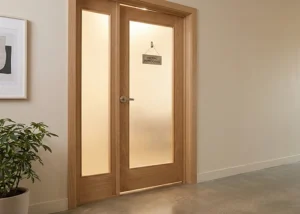
Privacy is one reason. Homeowner discipline, payment plans, and personnel issues can involve details that should not become community gossip.
Legal protection is another. Conversations with the association’s attorney can involve strategy and privileged advice, and that privilege can be weakened if the discussion happens in front of an audience.
What Usually Belongs Inside
Most boards do their best when the HOA executive sessions have a narrow purpose and a short agenda. While rules differ by state and governing documents, the same categories show up again and again in well-run communities.
Common topics include:
- Legal matters (especially discussions with legal counsel about pending or threatened disputes)
- Delinquency and collections (payment plans, next steps, lien and foreclosure decisions where allowed)
- Member discipline and enforcement hearings (when individual violations and evidence are being reviewed)
- Personnel matters (staff performance, hiring, termination, contractor disputes tied to confidential details)
- Contract negotiations in progress (when pricing and terms could be harmed by a public discussion)
A helpful rule of thumb: if a topic can be discussed openly without harming someone’s privacy or the association’s legal position, it usually belongs in the open meeting instead.
Notice and Minutes Without Oversharing
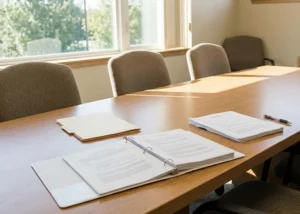
Many owners are less bothered by privacy than by surprise. Good boards avoid that problem by treating HOA executive sessions as a formal part of the meeting calendar, not a last-second huddle.
Notice practices vary, but consistency helps everywhere. Agenda language should be specific enough to show the category of business, without revealing private details. “Delinquency matters” signals the type of discussion, while a homeowner’s name does not need to appear on a public agenda.
Minutes deserve the same balance. The board is typically better protected when minutes show that an executive session occurred and that decisions were made, but do not read like a transcript. In many communities, owners will see a brief note in the open-meeting minutes stating that the board met in executive session and, when required, that certain actions were taken.
Who Attends and Who Does Not
An HOA executive session is usually limited to board members and invited attendees with a real role to play. That often includes legal counsel, the community manager, and sometimes a vendor or witness, but only for the portion that involves them.
Attendance rules can feel counterintuitive. A homeowner may be invited to attend for a hearing or a member-requested discussion, then asked to step out when the board deliberates. That structure protects due process and keeps the decision-making clean.
This is also where many boards trip up with terminology. An HOA executive meeting is often used casually to describe any closed board discussion, but the safer habit is to treat it as a defined session with a defined purpose, not an informal chat.
Keeping the Process Fair

Fairness is not only about the final decision. The process matters because owners notice patterns, even when they do not know the details.
A steady approach tends to include:
- Clear notice that an executive session will occur
- A tight agenda that stays within permitted topics
- A calm, respectful tone during hearings
- A consistent path for follow-up, so owners know what happens next
Discipline and collections are the two areas where emotions run hot. Extra care helps there. A homeowner facing enforcement action should understand the steps, the timeline, and the decision authority. A homeowner discussing delinquency should know what options exist and what documentation is expected.
Mistakes That Create Distrust
Most frustration around HOA executives session comes from misuse, not from the idea itself. Closed sessions are meant to be the exception, not the main event.
The most common problems tend to look like this:
- Using executive session to avoid owner questions about routine business
- Letting discussions wander into general complaints, personalities, or unrelated projects
- Making major decisions in private, then offering no meaningful summary afterward
- Holding so many closed sessions that the open meeting becomes pointless
A simple habit prevents a lot of damage: if the topic is about policy, budgets, maintenance priorities, or vendor selection in general, that discussion usually belongs in open session.
Practical Habits That Make It Work

Small operational habits can make the HOA executive session feel professional instead of secretive.
A strong workflow often includes a short “bridge” in the open meeting. The board announces it is moving into executive session, identifies the categories to be discussed, and gives a rough expectation of timing. Afterward, the board returns to open session and notes any actions that should be disclosed under the association’s rules.
Confidentiality reminders help, too. A quick statement at the start sets the tone and signals that privacy is being treated seriously, not casually.
Managers can also help keep the session on track. Agenda preparation, document packets, and a clear sequence of topics reduce rambling. Better structure usually means a shorter session, which owners appreciate even if they cannot attend.
Behind the Door
A well-run HOA executive session protects privacy, preserves legal strategy, and keeps sensitive issues from turning into community theatre. When the topic list stays narrow and the board communicates the process clearly, closed sessions feel less like secrecy and more like responsible governance.
Looking for professional help in managing your HOA operations? Nova Management provides HOA management services in Franklin County, Ohio. Call us at (614) 300-7050 or contact us online to learn more!
Related Articles:
- HOA Architectural Review Committee: Scope, Authority, and Homeowner Rights
- Repeat HOA Violations: How to Handle Them Fairly
- Misunderstood HOA Rules: Simple Fixes That Prevent Community Conflict