Community Living Defined: Understanding What Is an HOA
If you own property in a condominium, townhome community, or master-planned neighbourhood, membership in a homeowners association is usually automatic. That is why the question what is an HOA matters so much. It affects how the community is maintained, how decisions are made, and what owners are required to pay and follow. At its core, an HOA is the shared management structure that protects the community’s condition, finances, and day-to-day order.
Demystifying the Question: What Is an HOA?
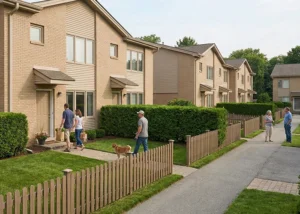
In the simplest terms, what is an HOA? It is typically a non-profit corporation created to manage, maintain, and govern a residential community. Buying a home within an association generally means you agree to the community’s rules and share in its costs. That legal arrangement turns a group of individual homes into a single, organised community with standards, a budget, and a governing process.
A key purpose of an HOA is to help preserve and support property values by maintaining consistent expectations for upkeep and appearance. Without that shared oversight, one owner’s neglect can spill over into the wider community, affecting neighbours and the market appeal of the neighbourhood as a whole. For many owners, the practical answer to what is an HOA is simple: it is the structure that keeps common areas cared for and sets clear expectations for living close to others.
The HOA’s authority comes from governing documents that define its powers, how decisions are made, and what rights and obligations members have. Those documents create a shared system of responsibility designed to benefit the community overall.
The Legal Pillars That Define the Association

To understand what is an HOA, it helps to know what gives it legal force. Most associations operate under a hierarchy of documents that function like a constitution and an operating manual.
Covenants, Conditions, and Restrictions (CC&Rs)
The CC&Rs are the primary governing document, second only to federal, state, and local law. They are usually recorded with the county and “run with the land,” which means they attach to the property and bind current and future owners. The CC&Rs commonly cover architectural standards, permitted property uses, boundaries between private lots and common areas, and responsibility for maintenance. Because they are foundational, amendments often require a large membership vote, which makes major changes harder to pass.
The Bylaws
Bylaws explain how the association functions internally. They typically outline board size, election procedures, officer roles, meeting requirements, quorum rules, and the process for taking official actions. When confusion arises about how decisions should be made, the bylaws are often the first place the board and owners should look.
Rules and Regulations
Rules and regulations address day-to-day community living. They often cover amenity use, parking, trash procedures, and similar operational issues. Boards can usually revise these more quickly than the CC&Rs, but they still must align with higher-level governing documents and applicable law.
Governance in Action: The Board and the Membership

A practical part of answering what is an HOA is understanding who runs it. The HOA is managed through a relationship between the board and the membership, with each having defined responsibilities and authority.
The Elected Board: Setting Policy
The board of directors is typically made up of volunteer homeowners elected by the membership. Directors owe a fiduciary duty to act in the association’s best financial and operational interests. Responsibilities usually include approving the annual budget, setting assessment levels, hiring vendors, enforcing rules, and making policy decisions consistent with the governing documents.
The Membership: Holding the Power
Every owner is part of the membership, and that group holds meaningful authority. Owners elect the board, vote on major matters such as certain amendments, and provide input at meetings and forums. A well-informed membership helps keep the board accountable and encourages decisions that reflect the community’s priorities. In many ways, what is an HOA is also a reminder that governance is not something happening to owners; it is something owners participate in.
The Financial Engine: Where Assessments Go

Assessments, often called HOA fees, fund the community’s operations and long-term needs. Understanding the budget is part of understanding what is an HOA, because the association’s promises only work when the financial plan is realistic.
Funding the Operating Budget (Current Needs)
Operating funds generally cover recurring expenses such as landscaping, lighting and irrigation for common areas, insurance, routine maintenance, and management fees. This budget supports the everyday appearance and function of shared property.
Funding the Reserve Fund (Future Protection)
Reserve funds are set aside for major repairs and replacements that do not happen every year, such as paving, roofing, exterior painting, or major amenity updates. A reserve study often guides the fund. It estimates timing and cost so that the HOA can save money gradually. Strong reserves reduce the likelihood of sudden special assessments and are often a key indicator of financial stability.
Professional Support: The Role of Management
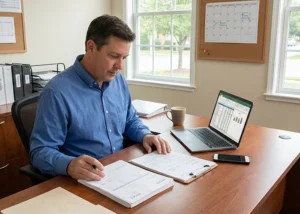
Many associations hire a professional management company to handle administration and coordinate maintenance. Management typically collects assessments, processes invoices, communicates with vendors, tracks work orders, supports meetings, and prepares financial reports. The manager’s role is execution, not policymaking. Decisions are made by the board, within the authority of the governing documents, and management carries them out.
HOA as a Shared Commitment
What is an HOA? At the heart of it is a straightforward trade-off: owners gain structure, maintenance, and shared standards, and in return they accept shared rules and shared costs. When owners understand the governing documents, pay assessments on time, and stay engaged, the community tends to run more smoothly and plan better for the future.
Looking for professional help in managing your HOA operations? Nova Management provides HOA management services in Franklin County, Ohio. Call us at (614) 300-7050 or contact us online to learn more!
Related Articles: