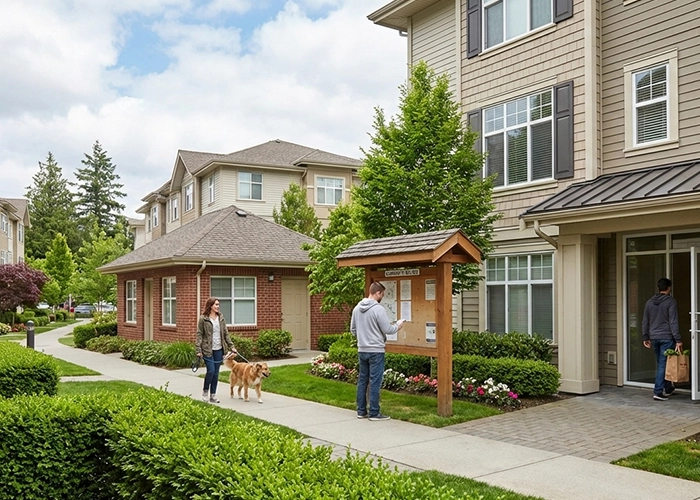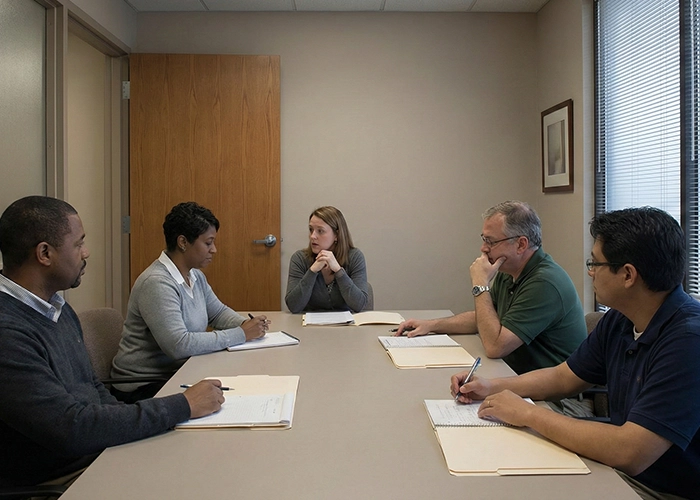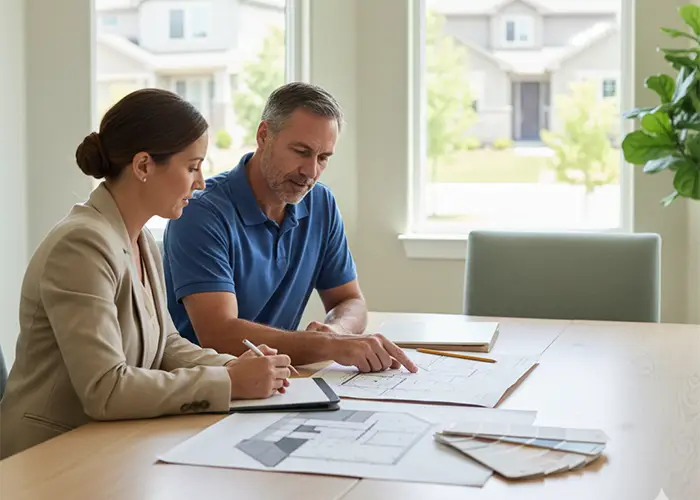
Growing older at home is a dream for many, but it brings unique shifts to the community landscape. Boards often find themselves navigating the balance between maintaining property standards and supporting long-term neighbors who face new challenges. With a bit of planning and empathy, your association can become a place where every resident thrives regardless of their age.
Understanding the Needs of HOA Aging Residents
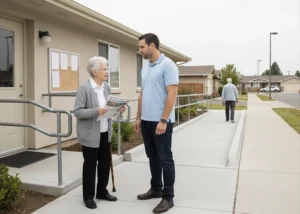
As neighbors transition into their senior years, their daily interactions with the community often change. Mobility might become a bit more restricted, making those high curbs or heavy clubhouse doors feel like significant obstacles. When we talk about HOA aging residents, we are looking at a demographic that values independence but may require subtle shifts in how the association operates.
Physical safety is frequently the most pressing concern for many older homeowners. Walkways that once seemed fine might now pose tripping hazards due to minor cracks or uneven roots. Addressing these repairs early is not just about aesthetics; it is a vital step in keeping your most vulnerable residents safe from harm.
Communication styles also vary widely across different generations. While many seniors are tech-savvy, others still prefer a physical newsletter or a phone call over a digital portal. Offering multiple ways to receive information ensures that no one feels left out of the loop regarding important community decisions or social events.
Creating a More Accessible Environment
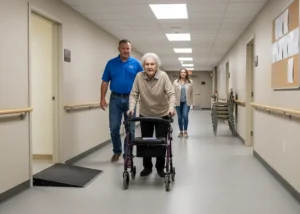
Accessibility is one of the most impactful ways an association can support those aging in place. This often starts with a thorough walk-through of the common areas to identify potential hurdles for someone using a walker or cane. Adding sturdy handrails or improving the lighting in dim corridors can make a world of difference for a resident’s confidence.
The Fair Housing Act also requires boards to allow for reasonable accommodations. If a homeowner needs to install a ramp or grab bars at their own expense, the board should facilitate this process quickly. Being proactive about these requests helps build a culture of support rather than one of bureaucratic friction.
Landscaping is another area where older residents might struggle to keep up with strict rules. Some associations have found success by negotiating group rates with a single landscaping provider. This allows seniors to opt into professional care at a lower cost, ensuring their property stays beautiful without the physical strain.
Fostering Social Connection and Safety
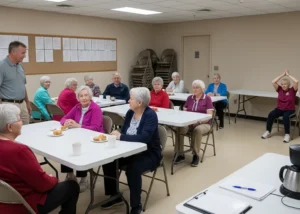
Loneliness is a quiet challenge that many seniors face when they can no longer drive or travel easily. Bringing the community to them through targeted events can revitalize their sense of belonging. Activities like low-impact exercise classes or morning coffee socials in the clubhouse provide essential opportunities for interaction.
It is also a wise practice to keep an updated list of emergency contacts for every household. In the event of a medical emergency or a sudden maintenance issue, knowing exactly who to call can save precious time. Residents usually appreciate this extra layer of care, as it provides peace of mind for them and their families.
Boards should also be mindful of the financial shifts that come with retirement. Many seniors live on fixed incomes, which can make large special assessments particularly stressful. Offering flexible payment plans for these homeowners helps maintain the association’s budget while respecting the financial reality of its long-term members.
Navigating Complex Health and Privacy Concerns
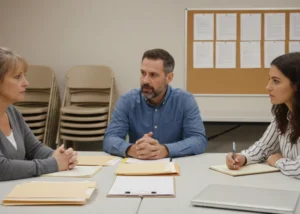
Managing a community means occasionally dealing with sensitive health-related situations. If a resident begins to show signs of significant cognitive decline, the board must act with extreme discretion and care. While the HOA is not a healthcare provider, it does have a duty to ensure the safety of the entire neighborhood.
Reaching out to a resident’s emergency contact is often the best first step when concerns arise. This allows the family to step in and provide the necessary support or adjustments within the home. In more serious cases, connecting with local social services or adult protective agencies might be required to ensure the resident is safe.
Privacy remains a top priority throughout these interactions. Any discussions regarding a homeowner’s health should be kept strictly confidential among the board and management. By focusing on the impact to the community rather than the personal details, the board fulfills its duty while maintaining the resident’s dignity.
Building a Resilient Multi-Generational Community
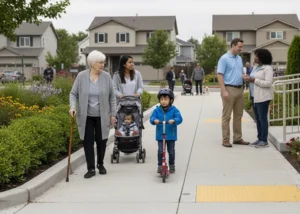
An association that cares for its older members tends to be a more cohesive and welcoming place for everyone. The modifications made for seniors, like better lighting and smoother paths, actually benefit young families with strollers and guests alike. It is a classic example of how inclusive design makes the whole neighborhood better.
Planning for an aging population is a long-term investment in the stability of the association. When residents feel supported, they are more likely to stay in their homes longer, which leads to lower turnover and a stronger sense of history. This continuity is a hallmark of the most successful and desirable communities in the country.
Your management team can play a pivotal role in bridging the gap between rules and reality. They provide the expertise needed to handle legal requirements while offering a neutral, professional touch to sensitive conversations. Working together, we can ensure that your community remains a vibrant home for every generation.
A Balanced Approach to Community Living
The goal is always to create an environment where every neighbor feels at home. By making small adjustments to policies and physical spaces, your board can demonstrate a true commitment to its residents. It is about more than just maintaining property values; it is about taking care of the people who make the community what it is today.
Empathy and clear communication are the most effective tools any board member can use. When we listen to the needs of our neighbors, we find solutions that work for the entire association. Let’s continue to build neighborhoods where everyone, from the youngest to the oldest, can live with comfort and pride.
If your board is looking for professional guidance on how to better support your community’s evolving needs. Contact Nova Management to learn more about our comprehensive management services.
Related Articles