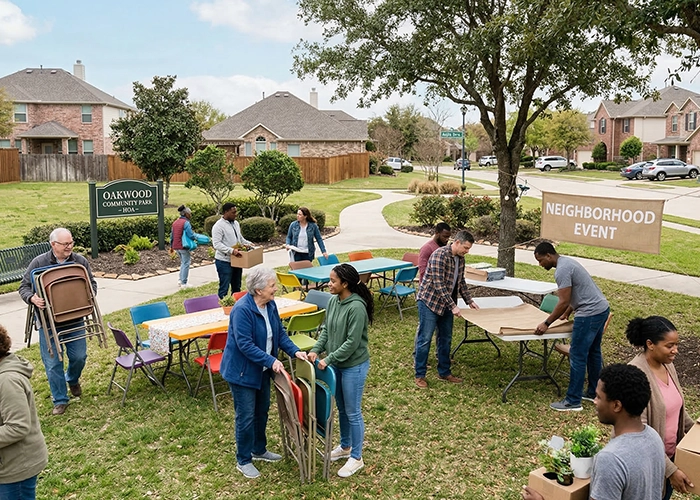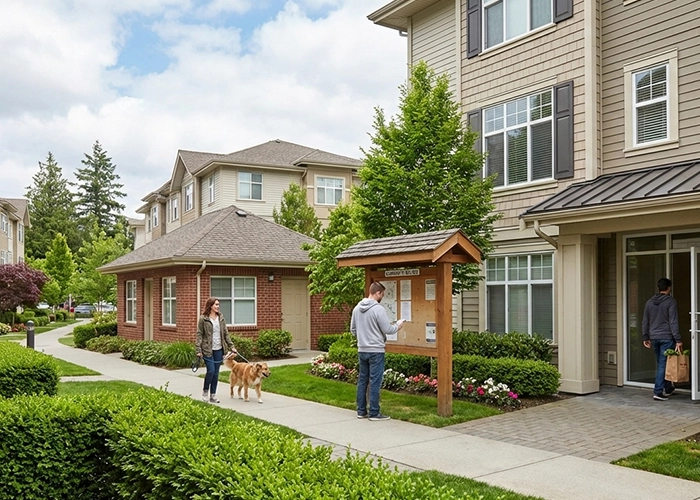
Tree maintenance for HOAs plays a bigger role than many communities realize. Healthy trees improve curb appeal, reduce liability risks, and create a welcoming environment for residents. When handled properly, tree care becomes an investment rather than an expense.
Tree Maintenance for HOAs Starts With a Clear Plan
Tree maintenance for HOAs should never be reactive. Waiting until branches fall or trees decline can lead to higher costs and safety concerns. A proactive plan allows communities to stay ahead of problems and maintain a consistent standard across the property.
Most associations benefit from having a structured tree care program in place. This includes regular inspections, scheduled trimming, and a long-term replacement strategy. When expectations are clearly defined, vendors can perform more efficiently and results tend to be more consistent.
It is also important to document responsibilities. Some HOAs maintain trees in common areas only, while others extend care into limited common elements. Clear guidelines help avoid confusion between homeowners and the board.
The Role of Regular Inspections in Tree Health
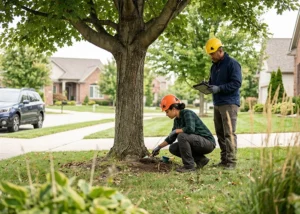
Routine inspections are one of the most overlooked parts of tree maintenance. Trees may appear healthy from a distance, but underlying issues can develop quietly over time. Early detection often prevents costly removal or property damage.
Professional arborists are typically recommended for annual or semi-annual evaluations. They can identify signs of disease, pest activity, and structural weakness that might not be obvious to untrained eyes.
During inspections, the following areas are usually assessed:
- Tree stability and root health
- Presence of dead or damaged branches
- Signs of disease or pest infestation
- Proximity to buildings, sidewalks, and utilities
When issues are caught early, corrective actions can be taken with minimal disruption to the community.
Pruning Practices That Support Long-Term Growth
Proper pruning is essential for both safety and appearance. It helps trees grow in a balanced way while reducing the risk of falling limbs. However, pruning must be done carefully to avoid harming the tree.
Timing plays a significant role in effective pruning. Many species benefit from trimming during dormant seasons, while others require attention at different times of the year. A one-size-fits-all approach rarely works in HOA settings.
Common pruning goals include:
- Removing dead or weak branches
- Improving air circulation and sunlight exposure
- Maintaining clearance from structures and walkways
- Enhancing the natural shape of the tree
Over-pruning should be avoided. When too much foliage is removed, the tree can become stressed and more vulnerable to disease.
Managing Tree Risks and Liability Concerns
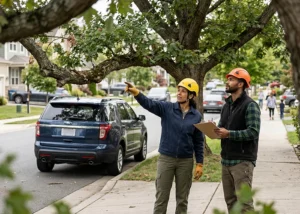
Tree-related incidents can lead to significant liability for HOAs. Falling branches, uprooted trees, and obstructed visibility are just a few examples of potential hazards. Preventive maintenance helps reduce these risks.
Boards should prioritize trees located near high-traffic areas. Parking lots, sidewalks, playgrounds, and entryways deserve extra attention. Even a healthy tree can pose a risk if it is poorly positioned or improperly maintained.
A risk management approach often includes:
- Documenting inspection and maintenance activities
- Addressing hazardous conditions promptly
- Working with licensed and insured vendors
- Keeping records of tree-related incidents
These steps not only improve safety but also provide protection in case of claims or disputes.
Seasonal Tree Care Strategies for HOAs
Tree care needs to change throughout the year. Each season brings different challenges, and maintenance schedules should reflect those shifts. A seasonal approach helps keep trees healthy year-round.
In spring, trees begin active growth. This is a good time to assess winter damage and apply necessary treatments. Fertilization may also be recommended to support new growth.
Summer maintenance often focuses on monitoring for pests and ensuring adequate watering. Heat stress can weaken trees, especially in newly planted areas.
Fall is ideal for pruning certain species and preparing trees for colder weather. Removing weak branches before winter storms can reduce the risk of damage.
Winter, while quieter, is still important. Inspections can continue, and planning for the upcoming year should take place during this time.
Choosing the Right Tree Species for Community Landscapes

Not all trees are suitable for HOA environments. Some species require more maintenance, while others may not adapt well to local conditions. Choosing the right trees from the start can save time and money.
Factors to consider include climate, soil conditions, and available space. Trees that grow too large for their surroundings can lead to ongoing maintenance issues. Root systems should also be evaluated to avoid damage to sidewalks and foundations.
HOAs often benefit from selecting species that are:
- Drought-tolerant and low-maintenance
- Resistant to common pests and diseases
- Appropriate for the available space
- Visually consistent with the community design
A thoughtful selection process helps create a cohesive and sustainable landscape.
Working With Professional Tree Care Vendors
Tree maintenance is best handled by experienced professionals. While some minor tasks can be managed internally, most work requires specialized equipment and knowledge. Hiring the right vendor makes a noticeable difference.
When evaluating vendors, HOAs should look for proper licensing and insurance. Experience with similar communities is also a strong indicator of reliability. Clear communication is equally important, especially when coordinating large projects.
Key considerations when selecting a vendor include:
- Certifications and qualifications
- Scope of services offered
- Safety practices and equipment standards
- References from other HOA clients
Establishing a long-term relationship with a trusted vendor often leads to better results and smoother operations.
Budgeting for Tree Maintenance Without Surprises

Tree care should be included in the HOA’s annual budget. Unexpected expenses can strain finances, especially if emergency removals are required. A proactive budget helps reduce these surprises.
Costs can vary depending on the size of the community and the number of trees. Regular maintenance is generally more affordable than reactive services. Over time, consistent care tends to extend the lifespan of trees and reduce replacement costs.
Budget planning should account for:
- Routine inspections and pruning
- Emergency services and storm cleanup
- Tree replacement and planting
- Long-term landscape improvements
Setting aside reserves for tree-related expenses can provide additional flexibility when needed.
Tree Removal and Replacement Decisions
At some point, tree removal becomes necessary. This can be due to disease, structural instability, or interference with infrastructure. While removal is not always ideal, it is sometimes the safest option.
Decisions should be based on professional recommendations rather than appearance alone. A tree that looks healthy may still pose a risk if its structure is compromised.
When removal is required, replacement should also be considered. Maintaining canopy coverage helps preserve the overall look and feel of the community. New plantings should align with long-term landscape goals.
Resident Communication and Tree Policies
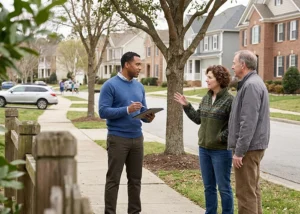
Clear communication helps prevent misunderstandings between the HOA and residents. Tree maintenance can sometimes be a sensitive topic, especially when it involves removal or significant pruning.
Providing guidelines helps set expectations. Residents should understand what the HOA is responsible for and what falls under homeowner responsibility.
Effective communication strategies include:
- Sharing maintenance schedules in advance
- Explaining the reasons behind tree work
- Providing contact information for questions or concerns
- Including tree policies in governing documents
When residents feel informed, they are more likely to support maintenance efforts.
How Tree Maintenance Supports Property Value
Well-maintained trees contribute directly to property value. They enhance curb appeal, create shade, and improve the overall atmosphere of the community. Buyers often notice landscaping before anything else.
Neglected trees, on the other hand, can have the opposite effect. Overgrown branches, dead limbs, and inconsistent care can make a property feel poorly managed.
Consistent tree maintenance helps:
- Create a polished and inviting appearance
- Increase perceived property value
- Attract potential buyers and renters
- Support long-term community standards
Investing in tree care is not just about maintenance. It is about protecting the community’s image and financial health.
A Strong Landscape Reflects a Strong Community
Tree maintenance for HOAs is more than routine upkeep. It reflects how a community is managed and how much care is given to shared spaces. When done right, it creates a safer, more attractive place for residents to call home.
Our team can help you create a tailored maintenance plan that protects your property and enhances curb appeal. Have questions or are you ready to begin? Call 614-300-7050 or contact Nova Management today for trusted HOA support.
Related Articles:
- Repeat HOA Violations: How to Handle Them Fairly
- Community Living Defined: Understanding Exactly What Is an HOA
- HOA Board Roles and Duties: What Each Member is Responsible For